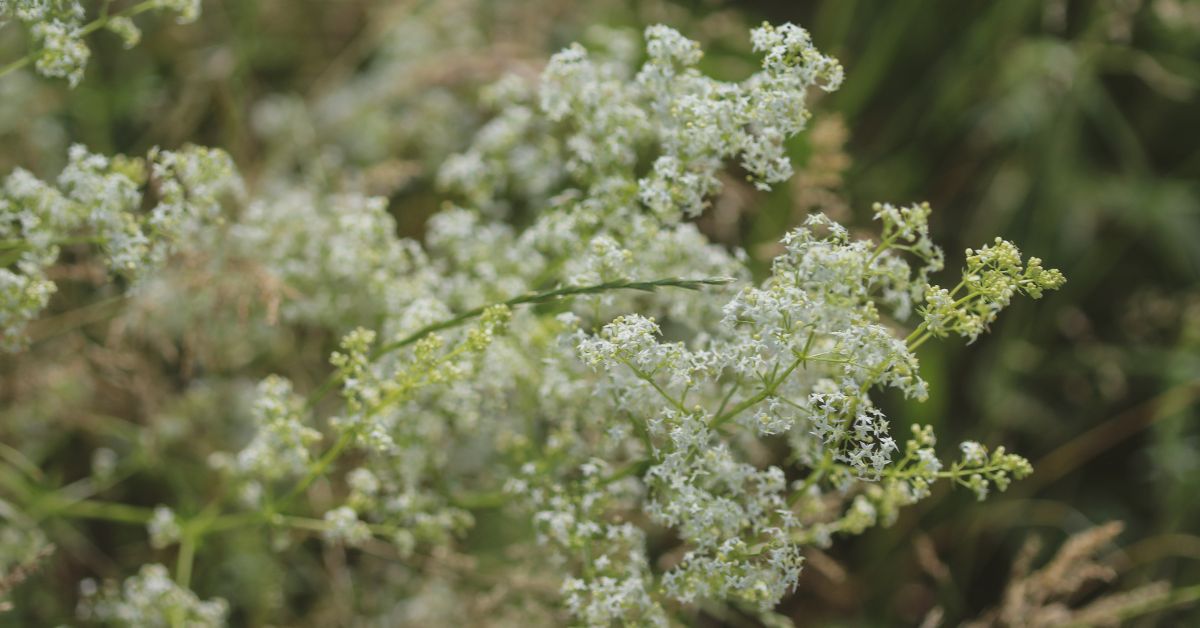
With the arrival of spring, one of the first weeds to become problematic is hoary cress, commonly known as whitetop. This deep-rooted perennial from the mustard family emerges early, beginning growth when soil temperatures reach 45–50°F. It typically blooms in late May and then enters a quasi-dormant stage for the rest of the summer.
Despite its short active period, whitetop can significantly impact desirable vegetation by competing for nutrients at a critical time in plant development. It aggressively outcompetes grasses and can reduce hay quality.
Managing hoary cress is challenging due to its extensive root system and ability to reproduce from both seeds and roots. Effective control usually requires a multi-year commitment (2–4 years) and an integrated management approach.
Management Strategies
Chemical Control (Most Effective)
Systemic herbicides are the most reliable method for targeting the root system.
- Timing:
Apply during the bud (broccoli) stage in early spring or to rosettes in the fall for best results. - Recommended Active Ingredients:
- Metsulfuron (Escort)
- Chlorsulfuron (Telar)
- Imazapic (Plateau)
- 2,4-D (effective for suppressing seedlings and rosettes)
- Surfactants:
Leaves are covered in fine hairs, so using a penetrating surfactant (e.g., MSO) is essential to improve herbicide absorption.
Mechanical Methods (Limited Effectiveness)
- Mowing:
Does not kill the plant but can reduce seed production. Best used in combination with a fall herbicide application. - Cultivation/Tillage:
Only effective if repeated every 10–14 days over several years to exhaust root reserves. Improper tillage may spread root fragments and worsen infestations. - Hand Pulling:
Practical only for small, new infestations. Complete removal of the taproot and lateral roots is necessary.
Cultural & Preventative Measures
- Maintain Plant Competition:
Establish competitive species such as alfalfa or perennial grasses to suppress whitetop. - Prevent Spread:
Clean equipment and vehicles after working in infested areas to avoid transporting seeds and root fragments. - Grazing:
Sheep and goats will graze whitetop before flowering, helping reduce plant vigor.
⚠️ Avoid grazing with cattle, as the plant can be toxic to them.
Biological Control
Currently, there are no widely available biological control options in the United States. Research is ongoing into the gall-forming mite (Aceria drabae).
Key Timing Reminder
Spring and fall are ideal time for herbicide application. Target plants when they are:
- Actively growing
- In spring plants need to be at least 2 inches in height to pre-flower stage
- Fall rosettes
Always read and follow herbicide label instructions before application.
Need Assistance?
For more information or help with weed management:
- Contact: Kevin
- Phone: (970) 799-2473
- Email: kevin@mallowlandandpest.com

Leave a Reply